
Author: Radu Reit
-
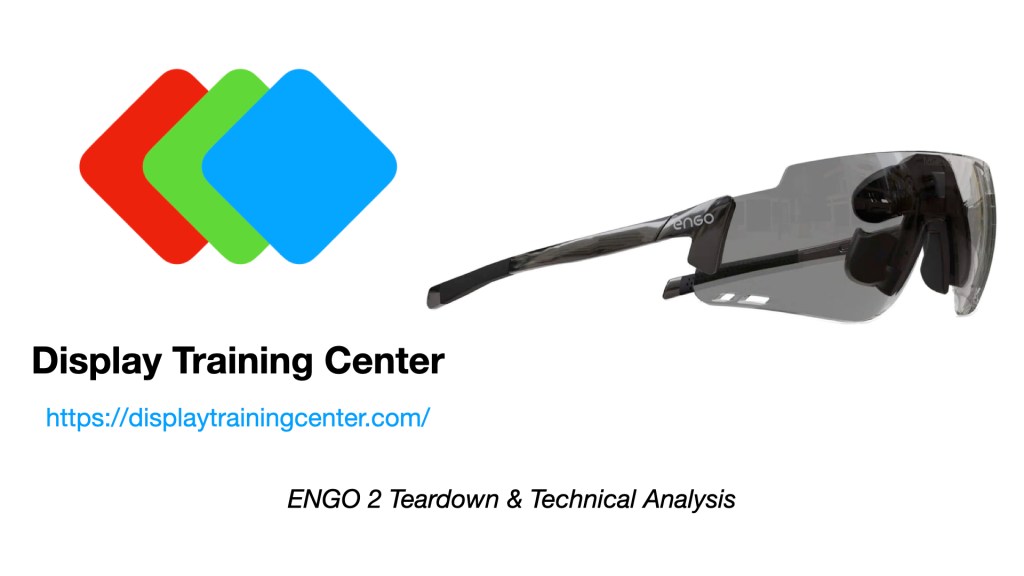
ENGO 2 – Optical Analysis
ENGO Eyewear has been on my list for a while now and one Gen1 eBay order later, as well as a Gen2 provision by my friend Chen at Saphlux, meant that it was time to tear-down these glasses and see the internal monochrome yellow microOLED panels at work. The display panel is a new component…
-
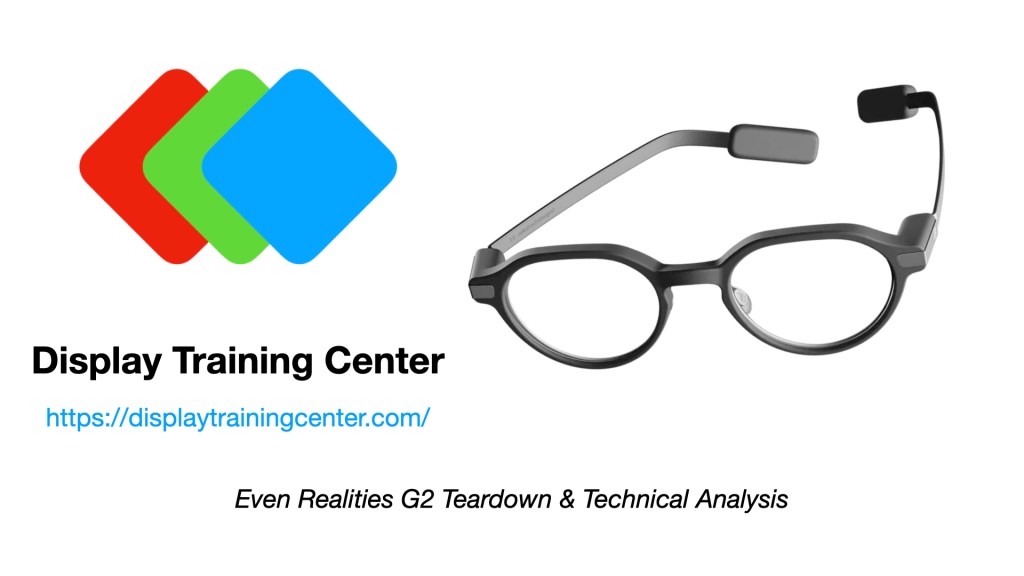
Even Realities G2 – Optical Analysis
The Even Realities G2s were the saddest teardown I’ve done so far… mostly because I really enjoyed wearing them, and I was too clumsy to have actually been able to take them apart while they still function. I would love to blame the insane amount of glue dispensed in this device for the waveguide cracks…
-
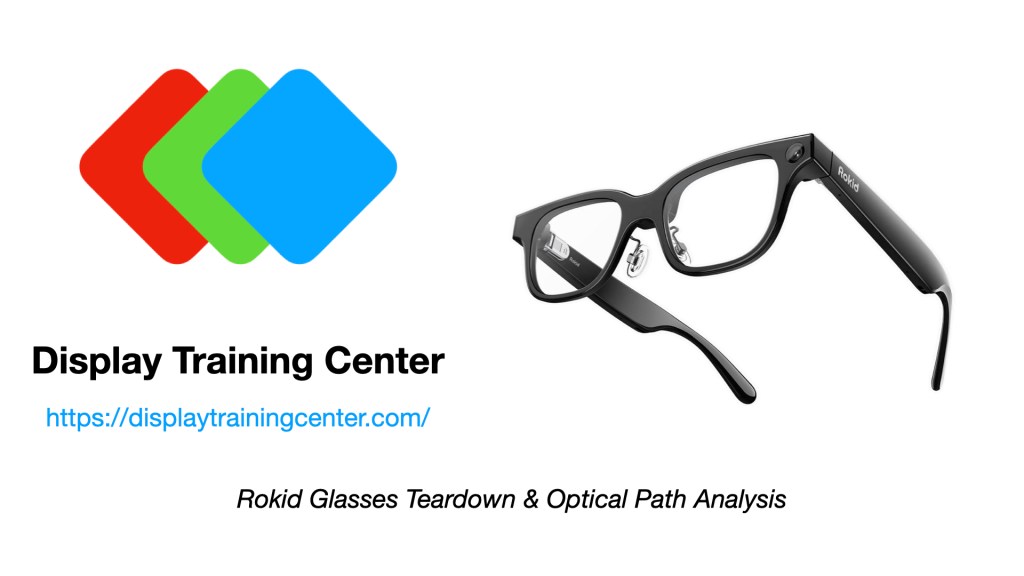
Rokid Glasses – Technical Analysis
The Rokid Glasses kickstarter campaign was by all accounts a great commercial success, and they can count my own contribution among the folks around the world who wanted to see these glasses launched. While the ChatGPT integration for on-device assistance, translation, and more is probably the most touted feature of this device category, I was…
-
INMO Air – Teardown & Optical Analysis
I don’t think INMO will give me an INMO Air 3 to tear apart and critique… so I had to get creative on how to look at their unique approach to AR glasses: microOLED + 1D reflective waveguide. So after finding a pair of the first generation INMO Air’s for sale online, it was time…
-
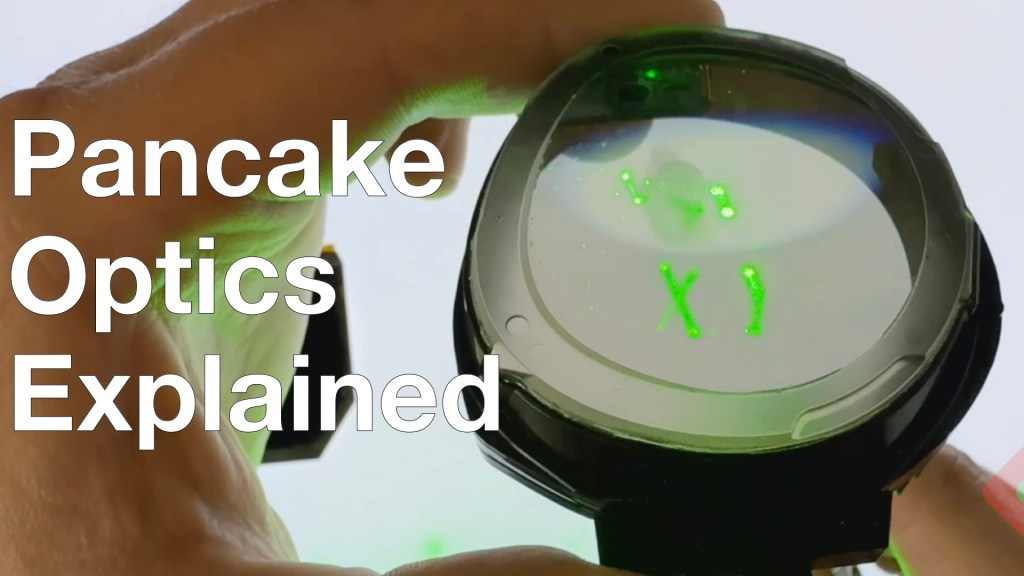
Meta Quest 3 – Teardown & Optical Analysis
Only 2 years late to the party, we break into the Meta Quest 3 to see not necessarily the first application of pancake optics in a consumer device, but certainly the best value… Meta first introduced these optics in the Meta Quest Pro, but with a price 3x higher and a lower resolution display (but…
-
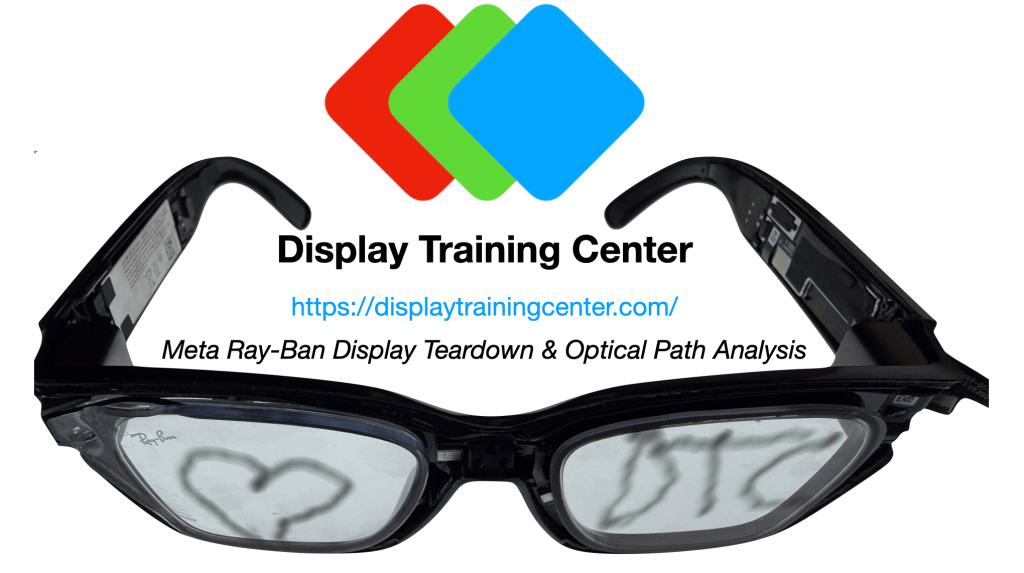
Meta Ray-Ban Display Glasses – Optical Analysis
Today we finally break into the Meta Ray-Ban Displays, arguably the most polished version of heads-up display (HUD) glasses we have seen so far. Meta has opted to buck the trend for both the display panel and the waveguide, using a liquid crystal on silicon (LCOS) projector instead of the microLED versions we’ve seen in…
-
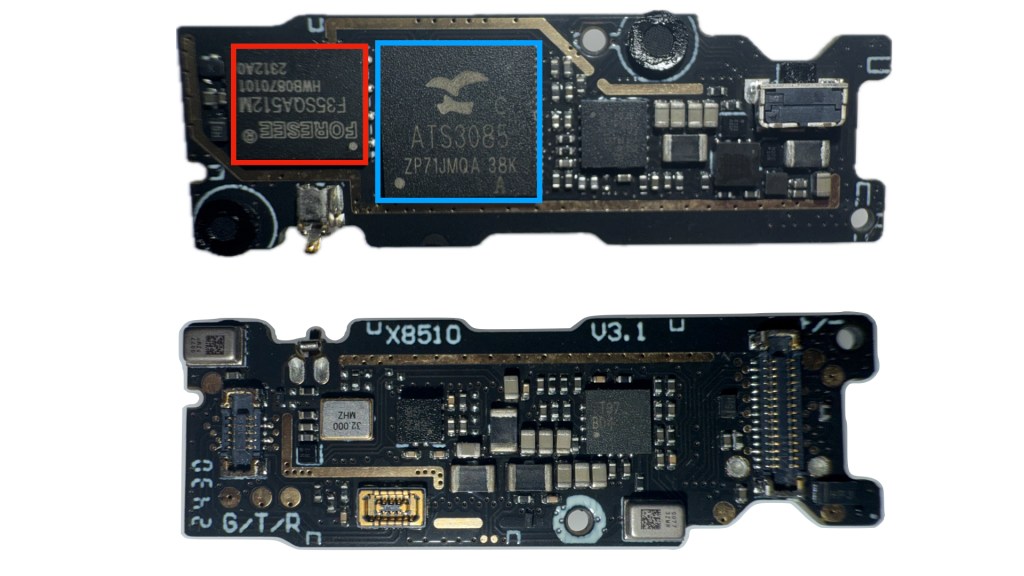
INMO Go Glasses – Full Teardown
The main teardown starts with the front of the INMO Go’s, by removing the front of the faceplate (and the attached magnetic shade) and revealing the two lenses (including our waveguide in the right eye), a long flex cable connecting the two temples and an interesting cavity right above the nose bridge. The space here…
-
INMO Go AR Glasses – Teardown and Optical Analysis
Our next teardown is the INMO Go AR Glasses, one of the first glasses to truly tackle an AR design without severely light-lossy optical elements used to project an image like the display glasses from Rokid, Xreal, and many others. This is the first time we are seeing a microLED display in one of these…
-
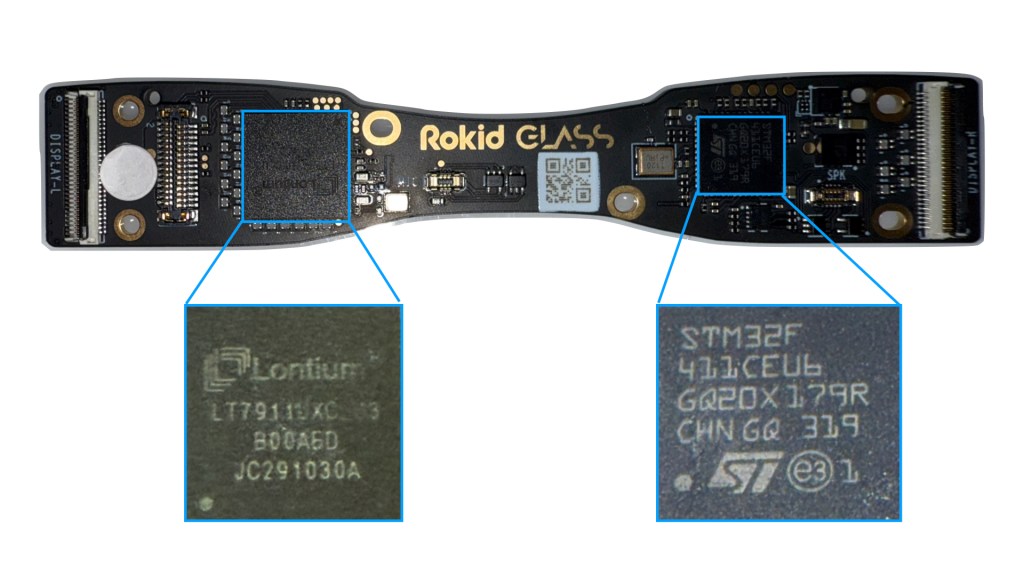
Rokid Max AR Glasses – Full Teardown
[Note: this is updated a month later than intended… you can thank Ron and Kasha at microLED Connect for the delay!] We’ll start this tear-down with the outer coverings around the nose bridge which houses the two static-tint front lenses. The lenses are likely polycarbonate, but we don’t have any clear material markings here to…
-
Rokid Max AR Glasses – Teardown and Optical Analysis
Our next teardown is the Rokid Max AR Glasses, despite chronologically being one of the earlier display glasses on the market. It’s likely fair to say a few of the brands we’ve already looked at (aka Viture…) took heavy inspiration from this initial design. This is most apparent with the diopter adjustment mechanism, as well…
 Display Training Center