
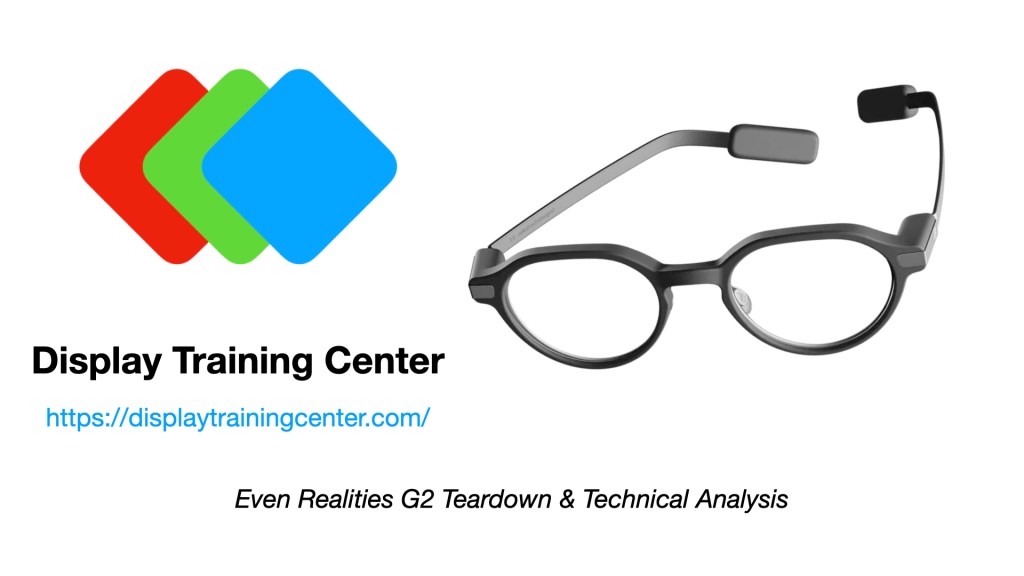
The Even Realities G2s were the saddest teardown I’ve done so far… mostly because I really enjoyed wearing them, and I was too clumsy to have actually been able to take them apart while they still function. I would love to blame the insane amount of glue dispensed in this device for the waveguide cracks and FPC connector liftoff from the solder pads, but it’s really just my own fat fingers to blame…
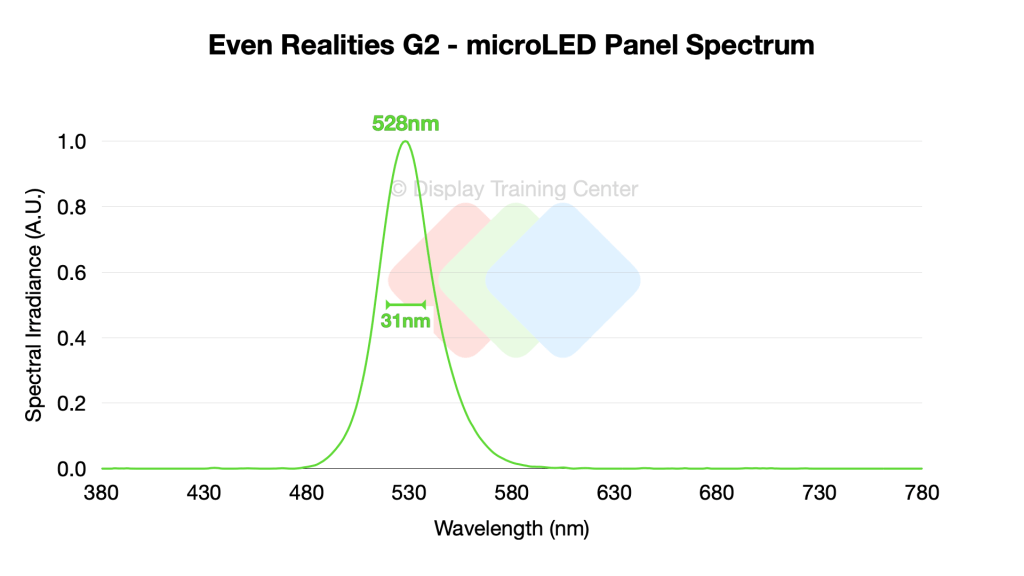
The display panel is from the same primary supplier we’ve seen from most brands using microLED panels today – JadeBird Display. One note is that we do seem to be using the updated Gen2 panel version of the Hummingbird 0.13″ monochrome display which accommodates a larger color depth (more brightness steps possible) and brighter overall display (10M nits vs 5M in Gen1). Our familiar monochrome green peak is centered at 528nm with a very good 31nm FWHM.
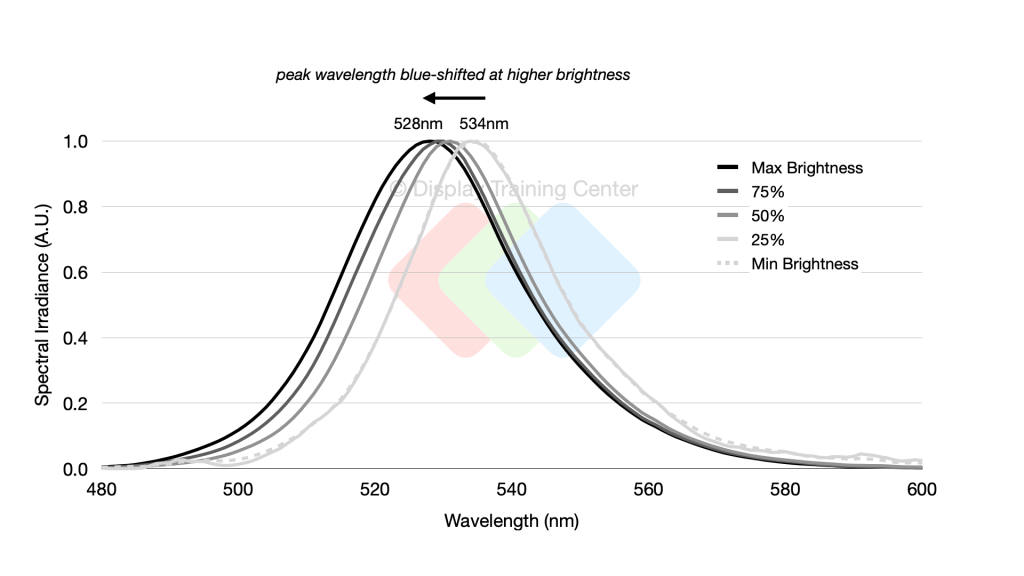
With the almost 40 discrete brightness steps that the G2s are capable of given the 8bit color depth on the new JBD panel, another interesting observation you can make is the emission peak shift as a function of brightness – we don’t talk about this much on the blog, but almost all emissive displays will have a primary emitter wavelength shift at higher brightnesses – this is true for OLED and microLED and goes into thermal device physics that I’m not the right person to describe… instead, you can see yourself how the green emitter in the JBD panels starts at ~534nm at very low brightnesses, and drops gradually to the 528nm we see at the maximum brightness. Science!
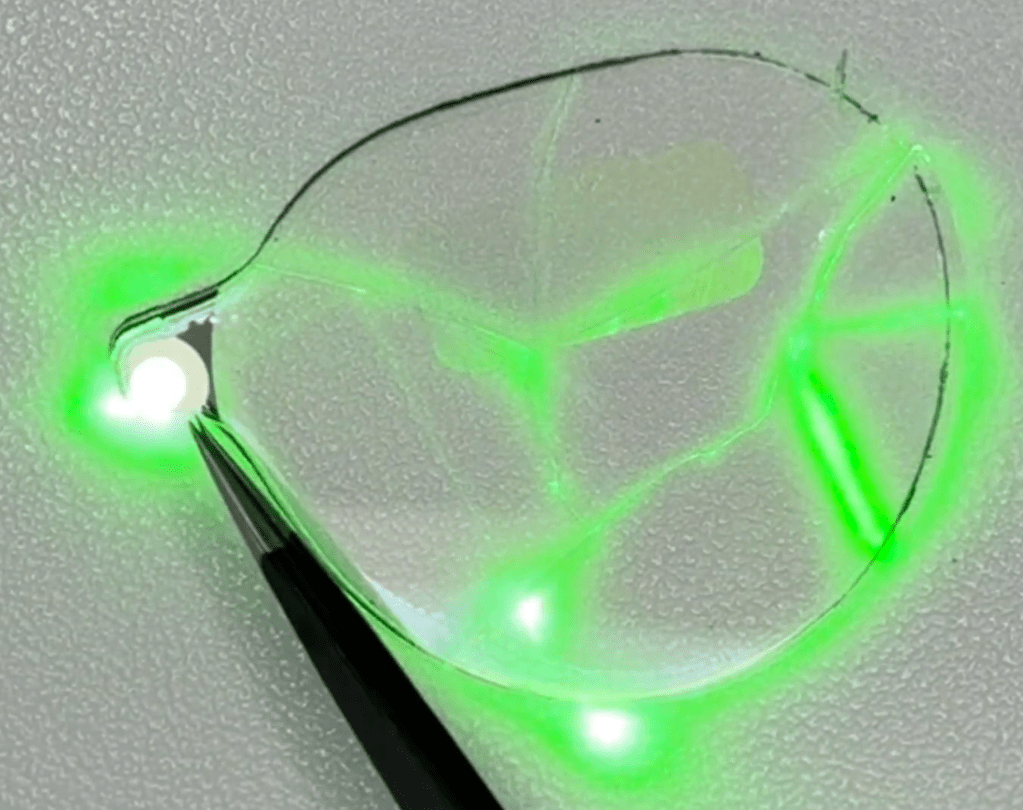
The waveguide (and it’s untimely demise) is a pretty standard surface relief grating (SRG) that is sandwiched between two plastic protective films so that you won’t get hurt by glass shards should the waveguide break. That was very important in this case as I absolutely destroyed the fragile glass during this teardown due to the incredibly strong glue used to hold down most components in this system.
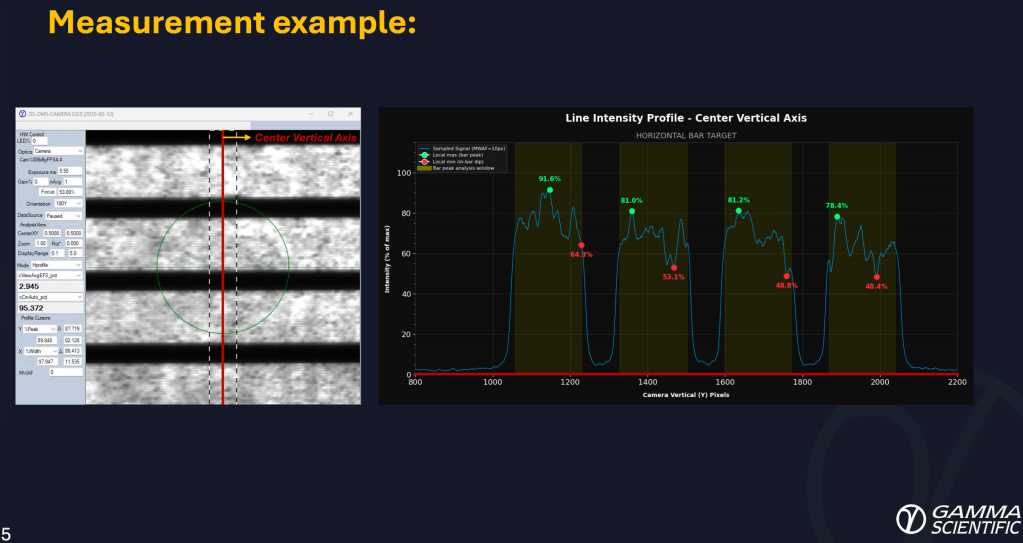
Another recurring theme on this blog & in our videos is the fact that pixel-level non-unformity is very noticeable in microLED displays, but this time thanks to our friends at Gamma Scientific we have data! While the images captured with the high-resolution camera already say enough, quantifying the pixel-to-pixel variation across the entire vertical FoV we can see up to a 90% brightness variation in the low and high brightness regions at the same lowest brightness setting. This isn’t very different from what we’ve seen in other JBD panels, but now we have quantifiable data showing the variation.
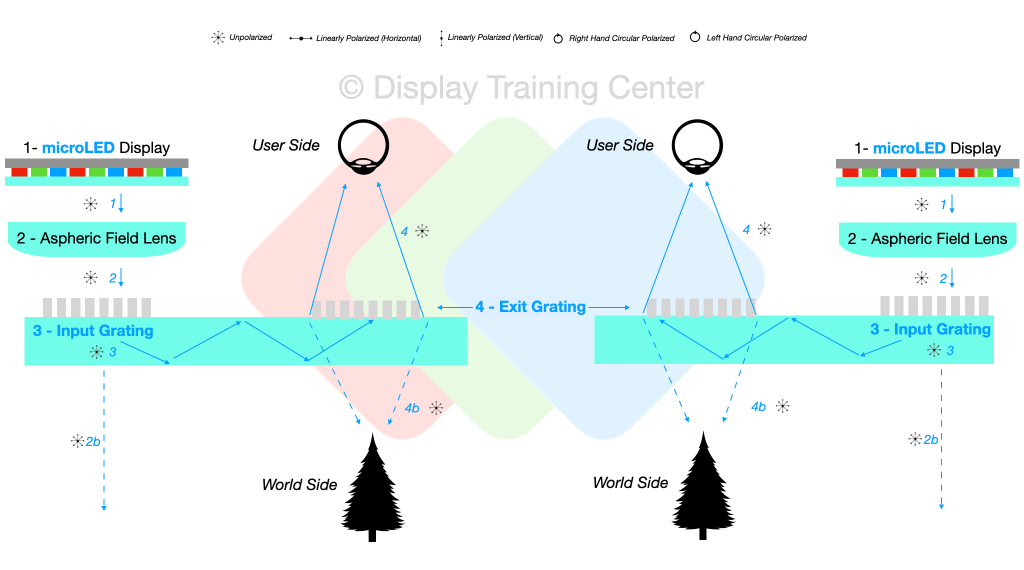
All-in-all, the Even Realities G2s were some of the most impressive glasses I’ve had the pleasure to wear and test so far. The simple, yet elegant design led to a very space-efficient hardware envelope – every choice made from the binocular display to the all-metal body makes for a premium device experience both in terms of capabilities and comfort. For the diagram nerds, below is a simple schematic of how the microLED display is injected into the waveguide, and ultimately delivered to the user’s eyes.
As always, all raw data collected and used here is available for all tiers of paid Patreon subscribers here: https://www.patreon.com/cw/DisplayTrainingCenter

 Display Training Center
Leave a comment