
Author: Radu Reit
-
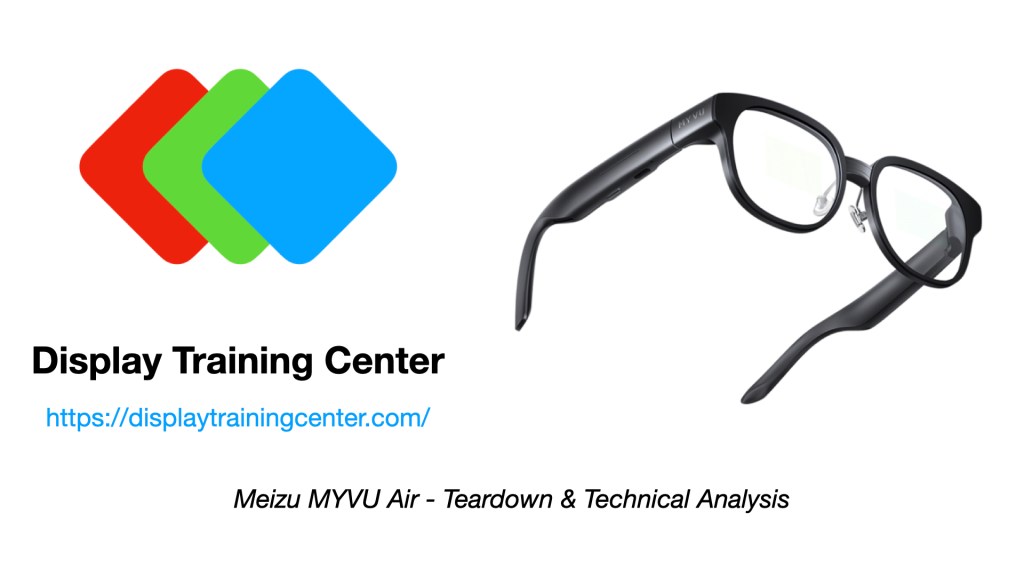
Meizu MYVU Air – Technical Analysis
After an impulse $120 AliExpress purchase that I wasn’t quite sure would actually come, I finally got around to spending more time with the Meizu MYVU Air. The device sits in the now-overly-familiar category of lightweight monochrome-green HUD glasses: microLED panel, diffractive waveguide, teleprompter-style UI, open-ear audio, and a housing that is trying very hard…
-
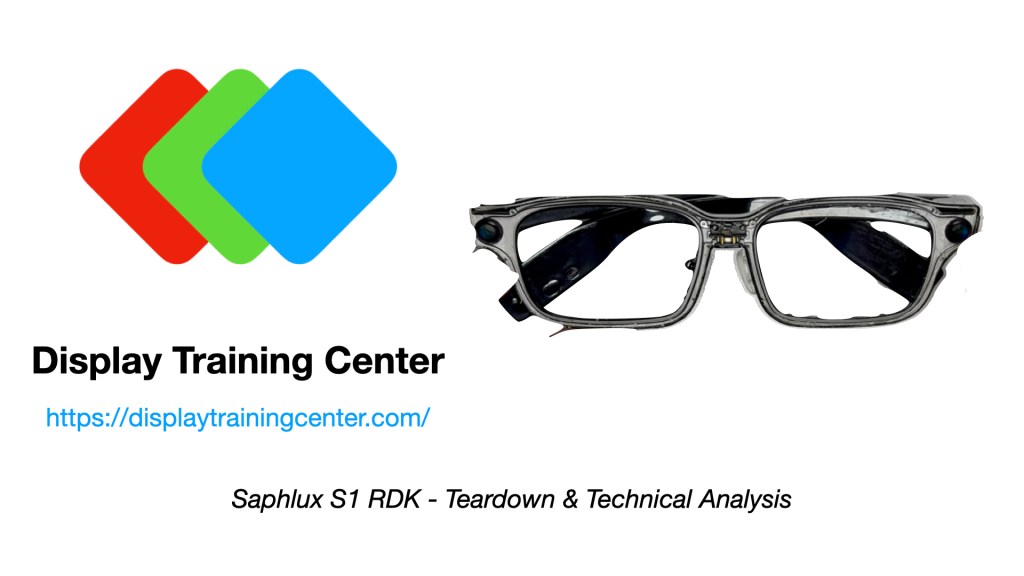
Saphlux S1 RDK – Technical Analysis
I’ve had the Saphlux S1 RDK sitting on my desk for a little while now, and it was finally time to tear it apart and take a closer look at what is inside. Unlike most of the AI-focused smart glasses we have reviewed recently, this is a reference design kit rather than a finished consumer…
-
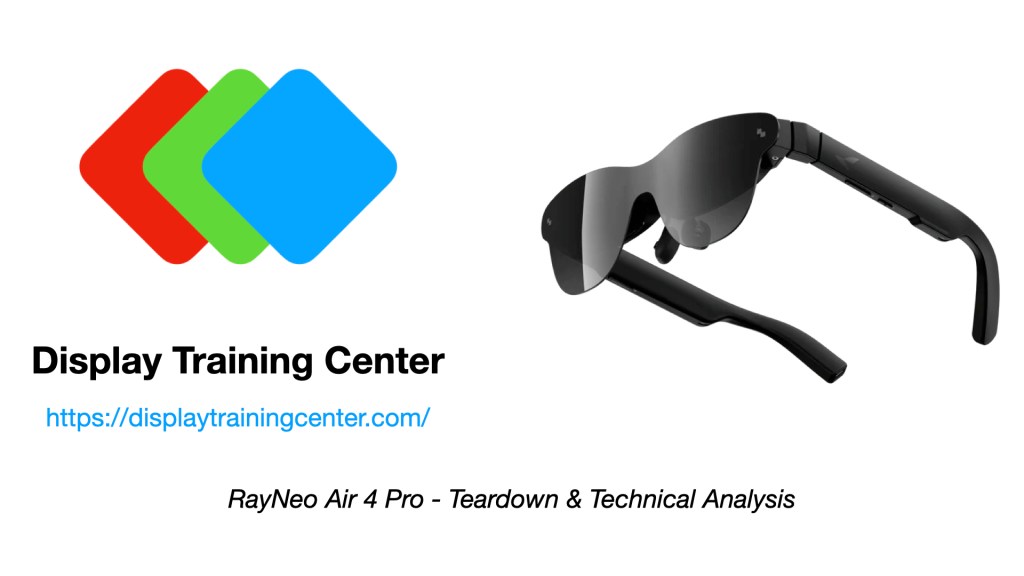
RayNeo Air 4 Pro – Optical Analysis
I wasn’t planning to really tear apart a new pair of display glasses, and especially not the RayNeo ones since I already took a look at the RayNeo Air 3S last year. That said, RayNeo’s community folks had another plan (thanks Stella!) and sent me a free unit to b̶u̶t̶c̶h̶e̶r̶ review however I want… great!…
-
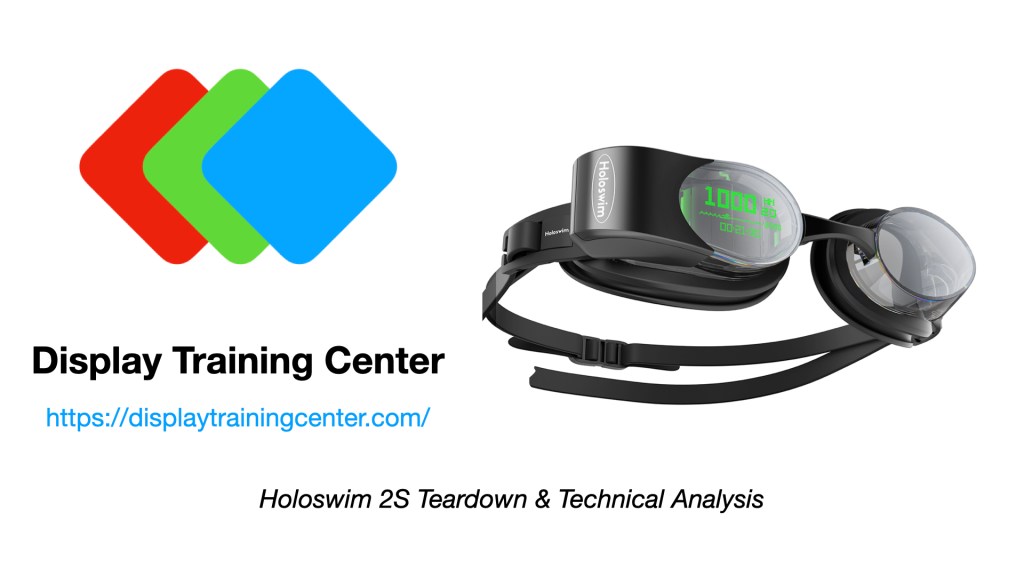
Holoswim 2S – Optical Analysis
Holosport (formerly just Holoswim, but it seems like they want to expand the product portfolio a bit…) has a few swim goggles with built-in displays and I decided to pick one up and tear it apart to see the display technology inside! See the (slightly…) shorter-than-normal video covering the teardown below: What I found really…
-
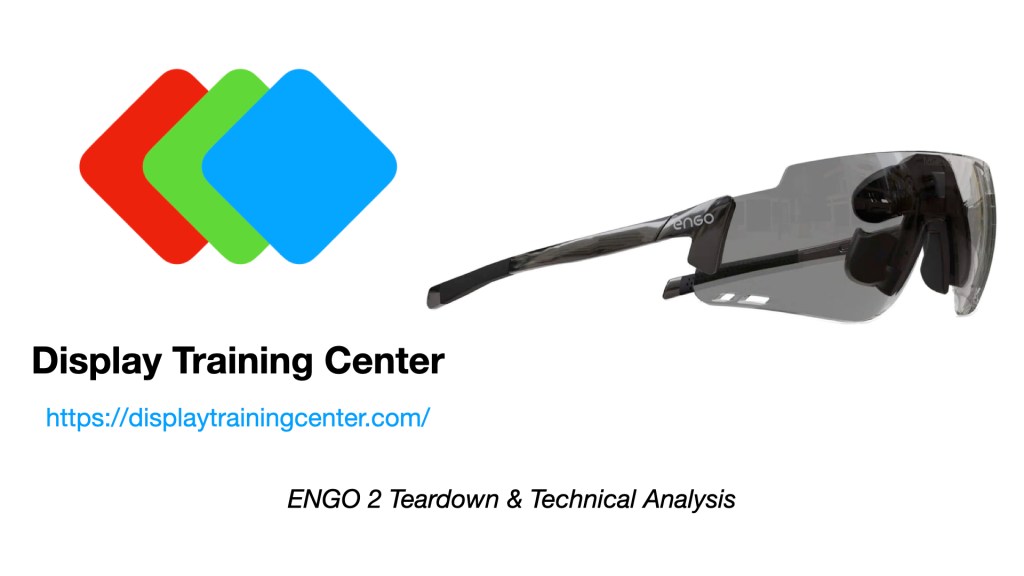
ENGO 2 – Optical Analysis
ENGO Eyewear has been on my list for a while now and one Gen1 eBay order later, as well as a Gen2 provision by my friend Chen at Saphlux, meant that it was time to tear-down these glasses and see the internal monochrome yellow microOLED panels at work. The display panel is a new component…
-
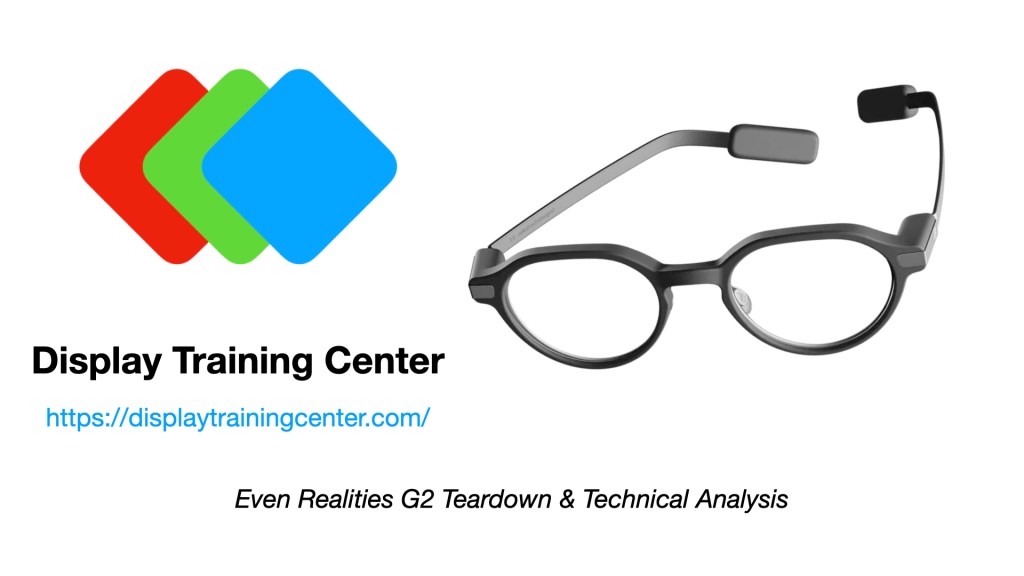
Even Realities G2 – Optical Analysis
The Even Realities G2s were the saddest teardown I’ve done so far… mostly because I really enjoyed wearing them, and I was too clumsy to have actually been able to take them apart while they still function. I would love to blame the insane amount of glue dispensed in this device for the waveguide cracks…
-
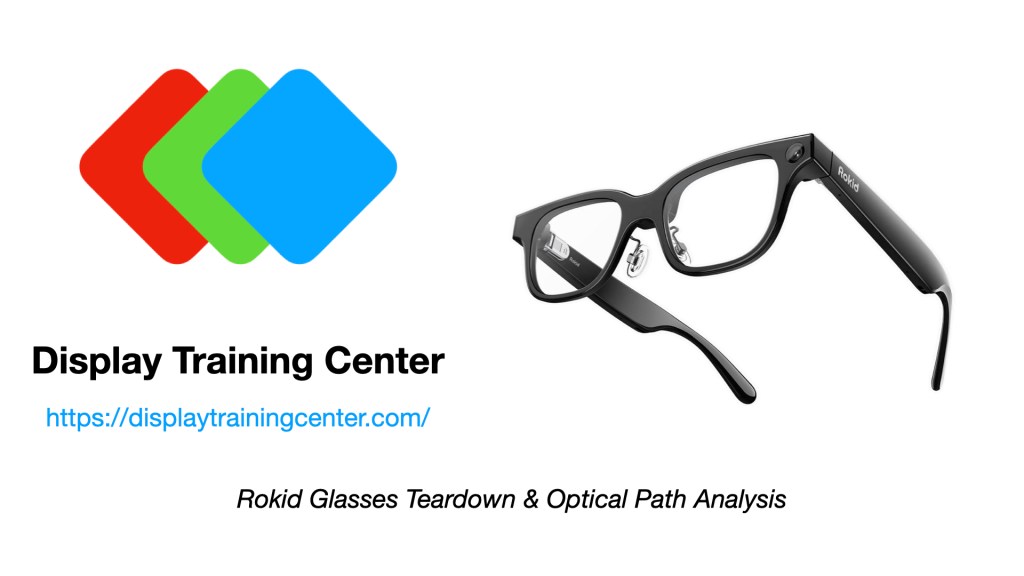
Rokid Glasses – Technical Analysis
The Rokid Glasses kickstarter campaign was by all accounts a great commercial success, and they can count my own contribution among the folks around the world who wanted to see these glasses launched. While the ChatGPT integration for on-device assistance, translation, and more is probably the most touted feature of this device category, I was…
-

INMO Air – Teardown & Optical Analysis
I don’t think INMO will give me an INMO Air 3 to tear apart and critique… so I had to get creative on how to look at their unique approach to AR glasses: microOLED + 1D reflective waveguide. So after finding a pair of the first generation INMO Air’s for sale online, it was time…
-
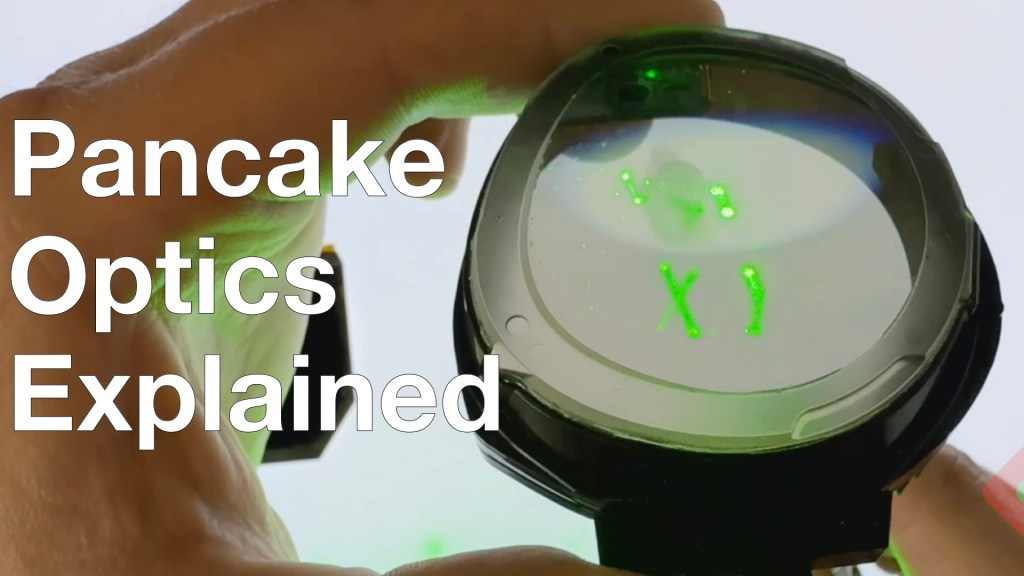
Meta Quest 3 – Teardown & Optical Analysis
Only 2 years late to the party, we break into the Meta Quest 3 to see not necessarily the first application of pancake optics in a consumer device, but certainly the best value… Meta first introduced these optics in the Meta Quest Pro, but with a price 3x higher and a lower resolution display (but…
-
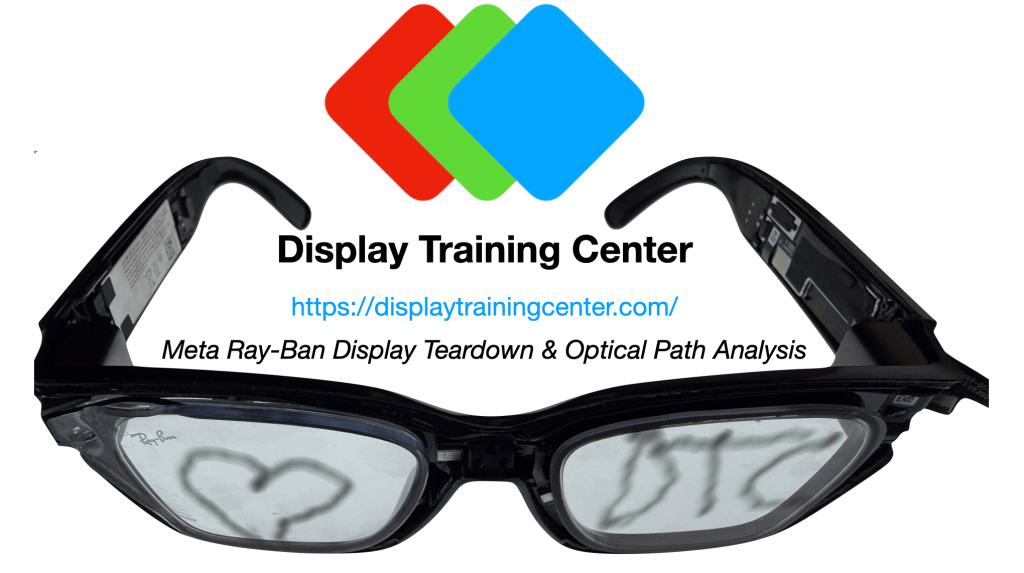
Meta Ray-Ban Display Glasses – Optical Analysis
Today we finally break into the Meta Ray-Ban Displays, arguably the most polished version of heads-up display (HUD) glasses we have seen so far. Meta has opted to buck the trend for both the display panel and the waveguide, using a liquid crystal on silicon (LCOS) projector instead of the microLED versions we’ve seen in…
 Display Training Center